
El próximo mes de septiembre y en medio de una serie de escándalos que ha rodeado a la iglesia católica durante los últimos meses, Benedicto XVI visitará el Reino Unido en lo que se ha convertido en un acontecimiento lleno de choques entre la comunidad católica y sus opositores.
Algunos de los eventos que han generado controversia son el anuncio del cobro de la entrada a los asistentes a los eventos oficiados por el Papa, y la renuencia de miles de ciudadanos a pagar con sus impuestos el gasto que la visita significa para el Estado Británico, todo esto en medio de los bien conocidos escándalos de pedofilia por parte de miembros del clérigo. Sin embargo, uno de los hechos que más ha llamado la atención tras el anuncio de esta visita es el intento de respetados intelectuales británicos de generar una orden de arresto contra el pontífice, a fin de capturarlo una vez este pise suelo inglés.
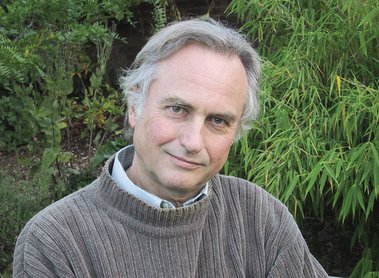 |
| Richard Dawkins |
La propuesta ha sido liderada por Christopher Hitchens, periodista y escritor, autor del bestseller "Dios no es Bueno", y Richard Dawkins, biólogo evolutivo, autor, entre otros, de "El Gen Egoista", "El Relojero Ciego" y "El Espejismo de Dios". El pasado mes de abril Hitchens y Dawkins dieron inicio al estudio de la posibilidad de arrestar al jerarca de la iglesia católica alegando crímenes contra la humanidad a causa del encubrimiento de repetidos casos de violaciones de menores por parte de ministros de la iglesia en la década de los ochenta. Durante esos años el hoy Papa se desempeñaba como líder de la Congregación para la Doctrina de la fe -encargada, entre otros, de responder por casos de abuso de menores- y era entonces conocido como arzobispo de Munich. Nuevamente, en 2001, siendo entonces conocido como Cardenal Ratzinger, este ordena cubrir los casos de violaciones de menores, argumentando que es primordial poner los intereses de la iglesia por encima de la seguridad de los niños. En un edicto con su firma, el líder religioso ordena que en este tipo de casos, en lugar de hacerse la denuncia ante las autoridades respectivas, se convenza a las víctimas de guardar silencio al respecto.
 |
| Christopher Hitchens |
De acuerdo con esta política y ante los escándalos en contra del padre Lawrence Murphy, quien es acusado de haber violado a cerca de 200 niños sordos, Ratzinger ordena su traslado a otra parroquia en lugar de autorizar su inmediato sometimiento a la justicia. Se ha revelado que esta práctica hace parte de los procedimientos ordenados directamente por el Vaticano para afrontar este tipo de delitos (crimen sollicitationis), y ha sido llevada a cabo en países tan distantes como Brasil, Irlanda y los Estados Unidos, así como a lo largo del resto del mundo católico. Esto significa el nombramiento de curas en nuevas parroquias, con el conocimiento de los arzobispos acerca de sus pasadas violaciones de menores y, en múltiples casos, propiciando la comisión de nuevas violaciones en las parroquias adonde eran trasladados.
El procedimiento legal que se llevaría a cabo en el intento de poner al Papa tras las rejas sería similar a aquel que permitió la detención de Augusto Pinochet como resultado de las violaciones a los derechos humanos ocurridas durante la dictadura chilena de 1973 a 1989. Cuando Pinochet visitó el Reino Unido en 1998 fue capturado por las autoridades británicas en respuesta a la solicitud de extradición por parte del juez español Baltasar Garzón bajo cargos de crímenes contra la humanidad. Sin embargo, como era de esperarse, en el caso de Benedicto XVI la comunidad católica en varios lugares del mundo ha respondido negativamente ante este anuncio y ha aunado esfuerzos para bloquear el progreso de la orden de arresto en su contra. De hecho, la semana pasada el gobierno británico en voz del nuevo secretario de Justicia, Ken Clarke, se pronunció en contra de la iniciativa declarando que no permitiría el arresto del Papa, para lo cual sería necesario modificar la ley que en el pasado permitió la captura del dictador chileno.
 |
| Benedicto XVI |
Esta postura oficial también ha generado una fuerte respuesta por parte de las víctimas de los crímenes de la iglesia y de múltiples organizaciones, en lo que han llamado "la protección de abusadores por parte del gobierno británico". Tras estos hechos la batalla legal por generar la orden de captura contra el Papa continúa y el tema de la "excepcionabilidad" de los líderes católicos se debate en diversos medios (Ver artículo o video). Geoffrey Robertson, prestigioso abogado en temas de derechos humanos y jurista de las Naciones Unidas, quien está a cargo del caso, confía en la posibilidad de lanzar una acción civil contra el Papa o, en su defecto, llevar el caso ante la Corte Penal Internacional. De acuerdo a los demandantes, el Pontífice no tendría inmunidad diplomática ya que si bien el viaje se considera una visita de Estado, el Vaticano no es un Estado independiente reconocido por las Naciones Unidas.
Contrasta esta situación con la decisión de la Suprema Corte de los Estados Unidos hace poco más de un mes, en la que rechaza la invulnerabilidad de los curas responsables por abuso sexual de menores de edad en su territorio. El tratamiento que estos han recibido en los últimos años ha obligado a varios de ellos a buscar asilo en el Vaticano u otros lugares donde la justicia no los alcance.
Más allá de los aspectos relacionados con credos religiosos o doctrinas de fe, el tema de la persecución de miembros de la iglesia responsables por comisión o encubrimiento de estos crímenes debe hacer parte de la discusión pública. Por cientos de años las sociedades occidentales y sus descendientes han dado la pelea por la separación entre iglesia y Estado. No sólo esto implica la existencia de una distancia entre las diferentes religiones y los estados-nación, sino también que el seguir los mandatos de una de estas instituciones no exonera de estar regido por las leyes de la otra. Es decir, así como ante los ojos de la iglesia un gobernante puede ser considerado un pecador y por ende ser condenado al infierno (si esas son sus leyes), de acuerdo a las leyes civiles un jerarca de la iglesia puede ser considerado un criminal, y por ende ser enviado a prisión.
Adicional a lo anterior, otra de las grandes batallas que ha dado la historia es por la igualdad ante la ley. Esta igualdad por la que se ha luchado por siglos es para todos y de ninguna manera puede excluir a un grupo de individuos por el simple hecho de ocupar un alto cargo en una institución religiosa. Insisto, mas allá de creencias y dogmas, los principios de separación de iglesia y Estado y de igualdad ante la ley, obligan a tomar medidas firmes en estos casos de abuso de menores por parte de miembros del clérigo y su encubrimiento por parte del sumo pontífice.
Ahora, haría bien la justicia en dar ejemplo en este caso como un acto de respeto por las víctimas de estas violaciones ya que a ellas, en últimas, no es que les parezca mejor ser violadas por un cura que por cualquier otro humano: el tratamiento debería ser igual al que recibiría cualquier otro violador o quien actúe en su encubrimiento. Igualmente, para los seguidores de la fe católica esta sería una importante señal hacia su institución a fin de que esta no siga siendo un refugio de pedófilos.
Tal cómo lo reconoce Dawkins, quizá el objetivo de capturar al Papa no sea muy factible (aunque claramente hay personas trabajando para que sea así), pero esto no le quita ningún valor a la iniciativa. Esta sienta un precedente frente a futuros abusos por parte de líderes religiosos en tanto les hace saber que su rol como ministros de la iglesia no les garantiza un status fuera del alcance de la justicia civil: tarde o temprano la ciudadanía se movilizará en su contra. Por otro lado, esta posible orden de arresto se traduce en un argumento que ha servido para despertar la conciencia colectiva frente al tema, como se ha manifestado en las presiones de diferentes sectores de la sociedad pidiendo la renuncia del Papa, y como se hará evidente el próximo mes con las múltiples protestas en su contra, que desde ya se organizan y que acompañarán su visita en diferentes ciudades británicas.
Pero quizá lo más importante de este intento de arresto es recordarle a la ciudadanía que la iglesia no es una autoridad en temas morales, y que por consiguiente es necesario alcanzar acuerdos seculares acerca de los principios morales sobre los cuales se regirá la sociedad. Recordemos que la historia está plagada de crímenes cometidos en nombre de los dioses, como las cruzadas, la cacería de brujas, el aniquilamiento de sociedades aborígenes para imponer al "verdadero dios" y la discriminación contra aquellos con una alternativa sexual diferente a la que aceptan estos dioses, entre muchos otros. En este escenario, las denigrantes violaciones de menores y el comportamiento de los altos jerarcas en este tema, pueden convertirse en la gota que derrame esta copa llena de horrores. Muy seguramente todas estas poblaciones atacadas física y mentalmente con argumentos religiosos encontrarán una mejor sociedad en un escenario donde la idea de la separación entre iglesias y Estado sea tenida en cuenta completamente. Entonces podremos hablar de justicia para todos.

